
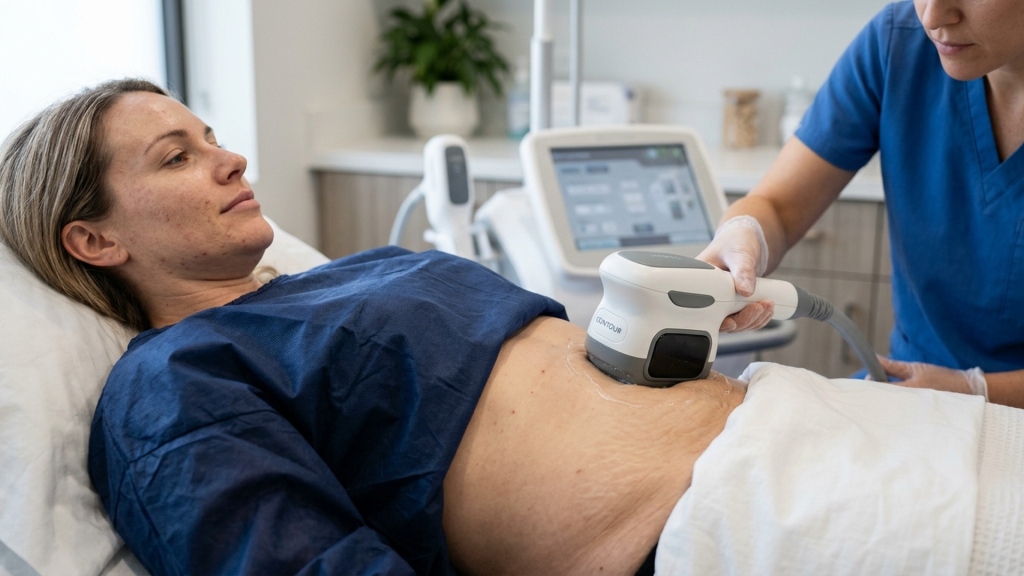
Non-surgical body contouring refers to a range of innovative cosmetic procedures designed to reduce stubborn fat, tighten skin, and improve muscle tone without incisions, anesthesia, or significant downtime. These minimally invasive treatments offer an attractive alternative to traditional surgery for individuals seeking to refine their physique and achieve a more sculpted silhouette, leveraging advanced technologies to deliver noticeable and lasting results for various body areas.
In 2026, the demand for aesthetic enhancements continues to surge, with a significant shift towards non-invasive solutions that fit modern, busy lifestyles. Many individuals struggle with localized fat pockets or skin laxity that resist diet and exercise, affecting their confidence and body image. Non-surgical body contouring addresses these persistent concerns, providing effective treatments for areas like the abdomen, flanks, thighs, and arms. Data from the International Society of Aesthetic Plastic Surgery (ISAPS) in 2025 indicated that non-surgical procedures accounted for over 60% of all aesthetic treatments globally, reflecting a growing preference for safe, convenient, and effective options.
In this article you will learn:
- What non-surgical body contouring entails and its core benefits.
- The leading technologies used for fat reduction and skin tightening.
- Specific popular treatments like cryolipolysis and radiofrequency.
- How to determine the most suitable non-surgical option for your goals.
Understanding Non-Surgical Body Contouring
Non-surgical body contouring encompasses a variety of advanced aesthetic treatments aimed at reshaping and refining the body without the need for traditional surgical intervention. These procedures are ideal for individuals who are close to their target weight but struggle with localized areas of fat, mild skin laxity, or a desire for enhanced muscle definition. Unlike liposuction, non-surgical methods typically involve no downtime, allowing patients to resume their daily activities almost immediately after treatment, making them highly appealing in a fast-paced city like Istanbul.
The primary goal of non-surgical body contouring is to provide a more streamlined and toned appearance by targeting specific concerns that diet and exercise alone cannot fully address. These treatments work by either destroying fat cells, tightening loose skin, or stimulating muscle contractions to create a more defined physique. Patients often report improved self-confidence and satisfaction with their body shape, as these methods can effectively sculpt areas resistant to conventional weight loss efforts. The safety profile of these procedures is generally excellent, with minimal risks compared to surgical alternatives, contributing to their widespread popularity.
The Rise of Non-Invasive Aesthetics
The aesthetic industry has witnessed a dramatic shift towards non-invasive and minimally invasive procedures over the past decade. This trend is driven by patient desires for effective results without the associated risks, recovery times, and costs of surgery. In 2026, technological advancements continue to make non-surgical options more powerful and precise, offering solutions that were once only achievable through invasive methods. Experts highlight that patient education and realistic expectations are crucial for achieving optimal outcomes with these innovative treatments.
The convenience factor plays a significant role in the growing appeal of non-surgical body contouring. Many treatments can be completed during a lunch break, lasting anywhere from 30 to 90 minutes. This allows individuals to integrate aesthetic enhancements seamlessly into their busy schedules, a particularly valuable aspect for professionals in bustling urban centers like Istanbul. Furthermore, the gradual nature of results from some treatments can be more discreet, appealing to those who prefer a subtle transformation.
Leading Technologies for Fat Reduction and Skin Tightening
The field of non-surgical body contouring is characterized by a diverse array of technologies, each employing a distinct mechanism to achieve fat reduction, skin tightening, or muscle toning. Understanding these core technologies is essential for appreciating how these treatments work and for choosing the most appropriate option. These innovations leverage principles from physics and biology to safely and effectively remodel the body’s contours.
Among the most widely used technologies are cryolipolysis, radiofrequency (RF) energy, and focused ultrasound. Each method targets different aspects of body contouring, offering unique benefits and suitability for various patient needs. For instance, cryolipolysis is specifically designed for fat reduction, while RF and ultrasound can provide both fat reduction and skin tightening effects. The choice of technology often depends on the patient’s primary concern, the area being treated, and their overall health profile.
Cryolipolysis: Freezing Away Fat Cells
Cryolipolysis, commonly known by brand names like CoolSculpting, utilizes controlled cooling to target and eliminate stubborn fat cells. Fat cells are more susceptible to cold than surrounding tissues, allowing the treatment to selectively freeze and destroy them without harming the skin or other structures. Once crystallized, these fat cells undergo a natural cell death process (apoptosis) and are gradually processed and eliminated by the body’s lymphatic system over several weeks to months.
This method is particularly effective for reducing localized fat bulges in areas such as the abdomen, flanks (love handles), inner and outer thighs, and under the chin. Clinical studies have shown that cryolipolysis can achieve an average fat reduction of 20-25% in treated areas after just one session, with optimal results typically observed 2-3 months post-treatment. Patients often appreciate the non-invasive nature and the fact that results are permanent, as the treated fat cells are gone for good.
Radiofrequency (RF) and Ultrasound for Contouring
Radiofrequency (RF) energy and focused ultrasound are two other prominent technologies used in non-surgical body contouring. RF devices deliver heat deep into the skin and fat layers, which can cause fat cells to shrink and stimulate collagen production, leading to skin tightening. This dual action makes RF treatments excellent for addressing both mild fat reduction and skin laxity, providing a smoother, firmer appearance.
Focused ultrasound, on the other hand, uses high-intensity sound waves to create thermal energy that selectively destroys fat cells without affecting the skin’s surface. This technology is highly precise and can target specific depths of fat. Both RF and ultrasound treatments typically require a series of sessions, often 3-6 treatments spaced a few weeks apart, to achieve optimal results. Patients usually experience minimal discomfort during these procedures, often describing a warming sensation with RF or a tingling sensation with ultrasound.
Comparison of Leading Non-Surgical Body Contouring Technologies
| Technology | Primary Benefit | Target Areas | Typical Sessions | Downtime |
|---|---|---|---|---|
| Cryolipolysis | Fat Reduction | Abdomen, Flanks, Thighs, Chin | 1-3 per area | Minimal (redness, swelling) |
| Radiofrequency (RF) | Skin Tightening, Mild Fat Reduction | Face, Neck, Abdomen, Thighs, Arms | 3-6 | None |
| Focused Ultrasound | Fat Reduction | Abdomen, Flanks, Thighs | 1-3 | None |
| Electromagnetic Muscle Stimulation (EMS) | Muscle Toning, Fat Reduction | Abdomen, Buttocks, Arms, Calves | 4-6 | Minimal (muscle soreness) |
Popular Non-Surgical Body Contouring Treatments
The market for non-surgical body contouring offers a range of popular and effective treatments, each with its unique advantages and ideal applications. These treatments have gained significant traction due to their ability to deliver noticeable results with minimal to no downtime, making them a preferred choice for many individuals seeking aesthetic improvements. Understanding the specifics of these leading options helps in making an informed decision.
From freezing fat to building muscle, the advancements in non-surgical technologies provide comprehensive solutions for various body concerns. Patients in Istanbul and worldwide are increasingly turning to these innovative methods to achieve their desired body shape. The effectiveness of these treatments often depends on the individual’s body type, the specific area being treated, and adherence to the recommended treatment plan.
Cryolipolysis (e.g., CoolSculpting)
As discussed, cryolipolysis is a leading method for fat reduction. CoolSculpting is a well-known brand utilizing this technology. During a session, a specialized applicator is placed on the target area, delivering controlled cooling. The procedure is generally well-tolerated, with patients often feeling a strong suction and intense cold at the beginning, which subsides as the area becomes numb. A typical session lasts between 35 and 75 minutes, depending on the area and applicator used.
The benefits of cryolipolysis include its non-invasive nature, permanent fat cell removal, and no required downtime. Side effects are usually mild and temporary, such as redness, bruising, swelling, tenderness, and numbness in the treated area, typically resolving within a few days or weeks. For many, a series of 1-3 sessions per area is recommended to achieve the desired level of fat reduction, with full results visible after about three months.
“Cryolipolysis has demonstrated consistent efficacy and a favorable safety profile in numerous clinical studies, making it a reliable option for localized fat reduction. Patient satisfaction rates often exceed 85%.” – Journal of Clinical and Aesthetic Dermatology, 2022.
Electromagnetic Muscle Stimulation (e.g., Emsculpt)
Electromagnetic muscle stimulation, exemplified by treatments like Emsculpt, focuses on building muscle and burning fat simultaneously. This technology induces supramaximal muscle contractions that cannot be achieved voluntarily through exercise. A single 30-minute Emsculpt session can induce approximately 20,000 muscle contractions, leading to significant muscle strengthening and toning, along with a reduction in fat cells in the treated area.
Emsculpt is particularly popular for enhancing the abdomen and buttocks, providing a more sculpted and lifted appearance. It can also be used on the arms and calves. A typical treatment course involves four 30-minute sessions over two weeks, with results improving for several weeks following the last session. Patients report feeling a strong muscle contraction similar to an intense workout. This treatment is ideal for individuals who are already active but want to achieve a more defined physique.
- Initial Consultation: A qualified practitioner assesses your goals and determines if you are a suitable candidate.
- Treatment Planning: A personalized plan is created, outlining the number of sessions and target areas.
- Session Execution: The device is applied to the skin, delivering electromagnetic pulses to the muscles.
- Post-Treatment Care: No specific downtime; mild soreness similar to a workout may occur.
- Follow-up: Progress is monitored, and additional sessions may be scheduled as needed.
Radiofrequency Skin Tightening (e.g., truSculpt, Thermage)
Radiofrequency (RF) technologies like truSculpt and Thermage are highly effective for skin tightening and can also contribute to fat reduction. These devices use controlled RF energy to heat the deeper layers of the skin, stimulating collagen and elastin production. The immediate effect is a subtle tightening, with more significant improvements appearing over 2-3 months as new collagen is generated. This makes RF treatments excellent for addressing mild to moderate skin laxity on the face, neck, and body.
RF skin tightening is versatile and can be used on various areas, including the abdomen, thighs, arms, and even the décolletage. Treatments are generally comfortable, often described as a warm massage. The number of sessions required varies, but typically 3-6 treatments are recommended, spaced 2-4 weeks apart, for optimal results. Patients appreciate the gradual, natural-looking improvements and the absence of recovery time, making it a convenient option for maintaining youthful skin in 2026.
Choosing the Right Non-Surgical Body Contouring Option
Selecting the most appropriate non-surgical body contouring treatment requires careful consideration of individual goals, body type, and expectations. With the array of technologies available, a personalized approach is crucial to ensure satisfactory and effective outcomes. An initial consultation with an experienced practitioner is the most critical step in this decision-making process, as they can assess your unique needs and recommend the best course of action.
During the consultation, the practitioner will evaluate your target areas, skin quality, and overall health. They will discuss the various treatment options, explaining their mechanisms, expected results, potential side effects, and the number of sessions likely to be required. It is important to have realistic expectations and understand that while non-surgical treatments can provide significant improvements, they are not a substitute for major weight loss or surgical procedures like liposuction for extensive fat removal. Patients should also inquire about the practitioner’s experience and the clinic’s track record with the chosen technology.
Factors to Consider Before Treatment
Before committing to a non-surgical body contouring treatment, several factors should be thoroughly evaluated. These include the specific concerns you wish to address (e.g., fat reduction, skin tightening, muscle toning), your overall health status, and your lifestyle. For example, individuals with pacemakers or certain medical conditions may not be candidates for electromagnetic or radiofrequency treatments. It is also important to consider the time commitment for multiple sessions and the financial investment, as these treatments are typically not covered by insurance.
Furthermore, understanding the potential risks and side effects, although generally minimal for non-surgical options, is vital. While most side effects are temporary and mild, such as bruising or swelling, rare complications can occur. A reputable clinic will provide comprehensive information and ensure you are fully informed before proceeding. In a competitive market like Istanbul, clinics often offer detailed consultations to help patients navigate their options effectively.
Maintaining Your Results
Achieving successful non-surgical body contouring results is only half the battle; maintaining them requires a commitment to a healthy lifestyle. While many treatments permanently eliminate fat cells, the remaining fat cells can still expand if weight is gained. Therefore, a balanced diet and regular exercise are crucial for preserving your newly sculpted physique. Experts emphasize that these treatments are not a substitute for weight management but rather a complement to a healthy lifestyle.
Many patients find that the visible improvements from body contouring motivate them to adopt healthier habits, creating a positive feedback loop. Periodic maintenance sessions may also be recommended for some treatments, especially those focused on skin tightening or muscle toning, to prolong the effects. Discussing a long-term maintenance plan with your practitioner during your initial consultation can help set realistic expectations and ensure lasting satisfaction with your results. This holistic approach is key to sustained aesthetic benefits.
- Healthy Diet: Focus on whole foods, lean proteins, and plenty of fruits and vegetables.
- Regular Exercise: Incorporate both cardiovascular and strength training into your routine.
- Hydration: Drink adequate water to support metabolic functions and skin health.
- Avoid Significant Weight Fluctuations: Maintain a stable weight to prevent remaining fat cells from enlarging.
- Follow-up Consultations: Schedule periodic check-ups with your practitioner to assess results and discuss maintenance.
- Sun Protection: Protect your skin from UV damage, especially after treatments that affect skin quality.
Frequently Asked Questions
What is non-surgical body contouring?
Non-surgical body contouring refers to cosmetic procedures that reshape the body without surgery, using technologies like cryolipolysis, radiofrequency, or ultrasound. These treatments reduce fat, tighten skin, and improve muscle tone, offering an alternative to invasive methods for individuals seeking to refine their physique with minimal downtime and discomfort.
How does non-surgical body contouring work?
These treatments work by targeting fat cells, stimulating collagen production, or inducing muscle contractions. For instance, cryolipolysis freezes fat cells, while radiofrequency heats skin to encourage collagen. Each technology has a specific mechanism to achieve fat reduction, skin tightening, or muscle definition, leading to a more sculpted appearance over time.
When is non-surgical body contouring recommended?
Non-surgical body contouring is recommended for individuals near their ideal weight who have stubborn pockets of fat, mild to moderate skin laxity, or desire enhanced muscle definition that diet and exercise haven’t addressed. It’s not a weight-loss solution but rather a body refinement tool for specific areas like the abdomen, flanks, or thighs.
How long do non-surgical body contouring results last?
The longevity of non-surgical body contouring results varies by treatment type. For fat reduction methods like cryolipolysis, the destroyed fat cells are permanently eliminated. However, maintaining results requires a healthy lifestyle, as remaining fat cells can still grow. Skin tightening and muscle toning results may require maintenance sessions over time.
Is non-surgical body contouring painful?
Most non-surgical body contouring treatments are well-tolerated, with patients reporting minimal discomfort. Sensations can range from intense cold or warmth to tingling or muscle contractions. Any discomfort is typically temporary and subsides quickly. Practitioners often use techniques to enhance comfort during sessions, ensuring a manageable experience for patients.
What is the difference between non-surgical and surgical body contouring?
The primary difference lies in invasiveness and recovery. Non-surgical methods involve no incisions, anesthesia, or significant downtime, offering gradual results. Surgical contouring, like liposuction or tummy tucks, involves incisions, anesthesia, and a longer recovery but can achieve more dramatic and immediate results for significant fat removal or skin excess.
Are there any side effects of non-surgical body contouring?
Side effects are generally mild and temporary. Common side effects include redness, swelling, bruising, tenderness, or numbness in the treated area, usually resolving within days or weeks. Serious complications are rare. It’s crucial to discuss all potential risks and side effects with your practitioner during the consultation to ensure informed consent.
Non-surgical body contouring offers a compelling array of options for individuals seeking to refine their physique and boost confidence without the commitment of surgery. From freezing away stubborn fat with cryolipolysis to building muscle with electromagnetic stimulation and tightening skin with radiofrequency, these advanced treatments provide effective solutions for a variety of aesthetic concerns. As technology continues to evolve in 2026, the precision and efficacy of these non-invasive methods are only improving. Remember, the key to successful outcomes lies in a thorough consultation with a qualified expert who can tailor a treatment plan to your unique needs and ensure realistic expectations. If you’re considering enhancing your silhouette, explore these innovative options to achieve a more sculpted and confident you. Consult with a specialist today to discover how non-surgical body contouring can help you achieve your aesthetic goals.