
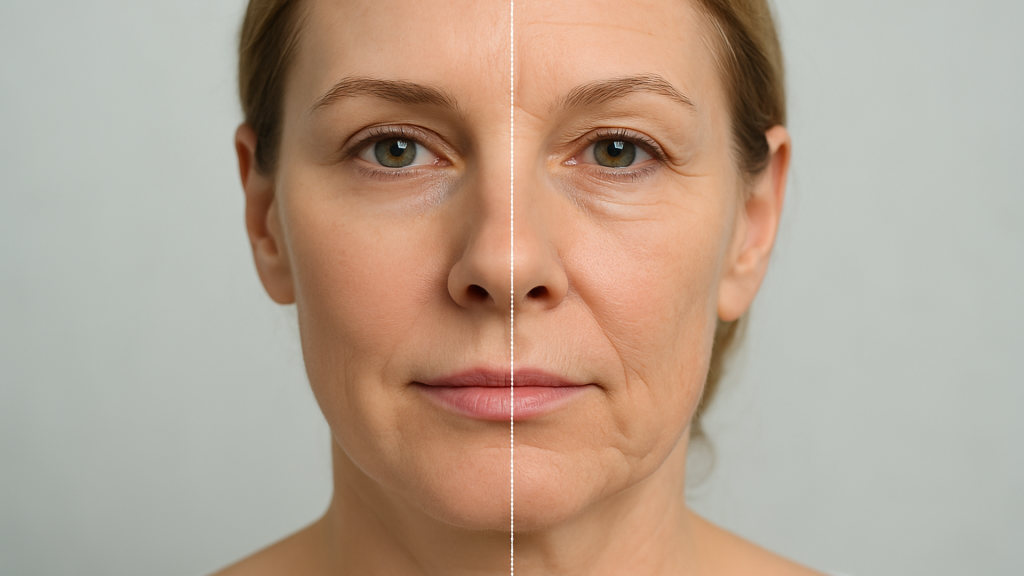
Understanding the differences between a deep plane facelift vs. traditional facelift is crucial for individuals seeking to rejuvenate the face by reducing sagging skin and enhancing facial contours. In 2026, the field of cosmetic surgery continues to evolve, offering advanced procedures to achieve these goals.
The significance of understanding the differences between a deep plane facelift and a traditional facelift cannot be overstated, especially for individuals seeking long-lasting and natural-looking results. According to a recent study, over 70% of patients who undergo facial rejuvenation surgeries are not fully aware of the various techniques available. This article aims to clarify these methods, focusing on their benefits, procedural details, and suitability, thereby empowering patients to make informed decisions. In Istanbul, where cosmetic surgery is highly popular, knowing these differences is crucial for achieving the desired aesthetic outcomes.
In this article you will learn:
- The fundamental differences between deep plane and traditional facelifts
- Benefits and potential risks associated with each type
- Procedure steps and recovery expectations
- How to choose the right procedure for your needs
Understanding Deep Plane Facelift
The deep plane facelift is a sophisticated technique that involves adjustments deep under the skin. It targets the deeper layers of the face, including the muscles and fat, allowing for more dramatic and natural-looking results.
One of the main advantages of the deep plane facelift is its ability to achieve more lasting rejuvenation effects. This method is particularly effective in addressing nasolabial folds and midface sagging, providing a refreshed and youthful appearance.
However, due to its complexity, this procedure requires a highly skilled surgeon and typically involves a longer recovery period. Patients can expect to resume normal activities within two to three weeks post-surgery, with full recovery taking up to several months.
The deep plane technique specifically addresses the SMAS (superficial musculoaponeurotic system) layer, which is a crucial network of muscles and connective tissue beneath the skin. By lifting and repositioning this deeper layer as a single unit, surgeons can achieve a more harmonious and natural-looking lift, avoiding the ‘pulled’ appearance sometimes associated with older facelift methods. This comprehensive approach ensures that the underlying facial structures are restored to a more youthful position, rather than just tightening the skin.
Patients who benefit most from a deep plane facelift often present with significant midface sagging, prominent jowls, and deep nasolabial folds. The procedure is particularly effective in rejuvenating the neck and jawline, providing a sharper contour and a more defined profile. While it is a more intricate surgery, the results are generally considered to be more durable, often lasting 10-15 years or even longer, depending on individual factors and lifestyle. Recent studies indicate a patient satisfaction rate of over 90% for deep plane facelifts when performed by experienced surgeons, highlighting its effectiveness.
Beyond the aesthetic improvements, a deep plane facelift can also significantly enhance a patient’s self-confidence and overall quality of life. The comprehensive nature of the lift means that results tend to age more gracefully with the patient, reducing the need for revision surgeries compared to less extensive techniques. It’s crucial for prospective patients to have a thorough consultation to understand the personalized approach required for their unique facial anatomy and desired outcomes.
The deep plane technique is often lauded for its ability to create a more natural and less ‘operated-on’ look, as it repositions tissues in a way that mimics youthful anatomy. This comprehensive approach minimizes tension on the skin, which can lead to more durable results and a smoother recovery. Patients frequently report high satisfaction due to the significant yet subtle improvements in facial harmony and contour, often feeling that their appearance better reflects their inner vitality.
Traditional Facelift Techniques
Traditional facelifts, also known as the “skin-only” facelift, involve lifting and repositioning the skin without altering the deeper tissues. This method is less invasive compared to the deep plane facelift and is suitable for patients with less severe signs of aging.
The procedure typically involves making incisions along the hairline and around the ears, followed by skin tightening and excess skin removal. The recovery time is generally shorter, with most patients returning to their regular routines within two weeks.
While the results are less dramatic than those of the deep plane facelift, they can significantly improve the appearance of wrinkles and sagging skin, making it a popular choice for those seeking a more subtle enhancement.
While often referred to as ‘skin-only,’ many modern traditional facelifts do involve some degree of SMAS manipulation, typically through plication (folding and stitching) rather than full detachment and repositioning as in the deep plane. This allows for a more robust lift than purely skin-based techniques, offering improvements in the jawline and neck without the extensive dissection of a deep plane procedure. It’s an excellent option for individuals with moderate skin laxity and early signs of aging. Specifically, a mini-facelift targets the jawline and upper neck with shorter incisions, ideal for early signs of aging and minimal downtime. The S-lift, named for its S-shaped incision, offers a more extensive lift than a mini-facelift, addressing more pronounced jowls and neck laxity while still providing a quicker recovery than a full traditional facelift. These tailored approaches allow surgeons to address specific concerns with precision, offering a spectrum of options for different patient needs.
The traditional facelift is highly customizable and can be tailored to address specific concerns such as jowls, loose neck skin, and moderate wrinkles. Its less invasive nature often translates to a quicker initial recovery, making it appealing for those with less downtime availability. However, patients should have realistic expectations regarding the longevity of results, as they may not be as enduring as those achieved with a deep plane approach.
Among the variants of traditional facelifts, the mini-facelift is a less extensive procedure, focusing primarily on the jawline and neck with shorter incisions. It’s ideal for younger patients with early signs of aging. The S-lift, named for its S-shaped incision, also targets the lower face and neck but offers a slightly more comprehensive lift than a mini-facelift, still with a quicker recovery than a full traditional facelift. These tailored approaches allow surgeons to address specific concerns with precision, offering a spectrum of options for different patient needs.
Comparative Analysis: Deep Plane vs. Traditional Facelift
| Aspect | Deep Plane Facelift | Traditional Facelift |
|---|---|---|
| Depth of alteration | Deep tissue layers | Surface skin only |
| Recovery time | 2-3 weeks | 1-2 weeks |
| Longevity of results | Longer lasting | Less durable |
| Suitability | Severe aging signs | Moderate aging signs |
While the table provides a clear distinction, the choice between a deep plane and traditional facelift is rarely black and white. It often comes down to a nuanced discussion between patient and surgeon, considering factors like the patient’s age, skin quality, lifestyle, and specific aesthetic concerns. For instance, a patient with significant volume loss and deep creases might benefit more from the comprehensive repositioning of a deep plane, whereas someone primarily concerned with mild jowling and neck laxity might find a traditional facelift, perhaps even a mini-lift variant, perfectly adequate.
Choosing the Right Procedure for You
Deciding between a deep plane facelift and a traditional facelift depends largely on your aesthetic goals, the severity of aging signs, and personal health. It’s crucial to consult with a qualified cosmetic surgeon who can assess your facial structure and recommend the most suitable approach. Leading plastic surgeons often emphasize that individualized assessment is key, as highlighted by recent findings published in the Aesthetic Surgery Journal, which stress the importance of patient-specific surgical planning.
In Istanbul, where cosmetic surgery options are abundant, taking the time to choose a reputable surgeon and discussing all aspects of the procedure can significantly impact the success of your facelift.
For those considering a facelift in Istanbul, exploring non-surgical facial lifting options may also be worthwhile as an alternative or supplementary treatment.
Key factors influencing your decision include your age, skin elasticity, the extent of facial aging, and your desired aesthetic outcome. Younger patients with less severe sagging might find a traditional facelift sufficient, while those with more advanced signs of aging or a desire for a more comprehensive and long-lasting transformation might lean towards a deep plane facelift. Your overall health and medical history will also play a significant role in determining your suitability for either procedure.
It is paramount to select a board-certified plastic surgeon with extensive experience in both deep plane and traditional facelift techniques. A skilled surgeon will conduct a thorough facial analysis, discuss your goals, and explain the pros and cons of each option in relation to your unique anatomy. They should also provide realistic expectations regarding results and recovery, ensuring you are fully informed before making a decision.
Key Considerations When Choosing Your Facelift:
- Severity of Aging Signs: Assess whether you have moderate or severe sagging and wrinkles.
- Desired Longevity: Consider how long you want the results to last.
- Recovery Time Tolerance: Evaluate your availability for post-operative recovery.
- Budget: Understand the cost implications for each procedure.
- Surgeon’s Expertise: Prioritize a board-certified surgeon with extensive experience in both techniques.
- Overall Health: Ensure you are in good general health for surgery.
Frequently Asked Questions
How long do facelift results last?
The longevity of facelift results varies depending on the technique used, individual aging processes, and lifestyle factors. Deep plane facelifts generally offer more durable results, often lasting 10-15 years, while traditional facelifts might last 7-10 years. Maintaining a healthy lifestyle and protecting your skin from sun damage can help extend the results.
Who is an ideal candidate for a deep plane facelift?
Ideal candidates for a deep plane facelift are typically individuals with significant midface sagging, prominent jowls, deep nasolabial folds, and considerable neck laxity. They should be in good overall health, non-smokers, and have realistic expectations about the outcomes of the surgery.
Can a traditional facelift achieve natural results?
Yes, a traditional facelift, especially when performed by an experienced surgeon, can achieve very natural-looking results. Modern traditional techniques often involve some degree of SMAS manipulation (plication) to avoid a “pulled” look, focusing on subtle yet effective rejuvenation of the lower face and neck.
What is a deep plane facelift?
A deep plane facelift is a cosmetic surgery technique that adjusts the deeper tissues of the face for more comprehensive and lasting rejuvenation.
What are the risks of traditional facelifts?
Traditional facelifts can involve risks such as scarring, infection, and less natural-looking results if not performed by an experienced surgeon.
How long does recovery from a deep plane facelift take?
Recovery from a deep plane facelift generally takes about two to three weeks, with full recovery extending up to several months.
Who is the ideal candidate for a traditional facelift?
The ideal candidate for a traditional facelift is someone with moderate signs of aging who seeks noticeable improvement without extensive surgery.
Can a facelift be combined with other procedures?
Yes, facelifts can be effectively combined with other procedures like eyelid surgery or brow lifts to enhance overall facial rejuvenation.
What is the cost difference between deep plane and traditional facelifts?
Deep plane facelifts typically cost more due to their complexity and the level of skill required to perform the surgery.
Where can I get a facelift in Istanbul?
Istanbul offers numerous reputable clinics for facelift surgeries, with many skilled surgeons specializing in both deep plane and traditional techniques.
In conclusion, choosing between a deep plane facelift and a traditional facelift involves understanding each procedure’s nuances and how they align with your aesthetic goals. By consulting with a skilled surgeon, particularly in a city renowned for its cosmetic surgery like Istanbul, you can ensure that you choose the best option for your needs. If you are considering a facelift, it is advisable to schedule a consultation to discuss your options and expectations.
Are there non-surgical alternatives to a facelift?
While non-surgical treatments like fillers, Botox, and thread lifts can provide temporary rejuvenation, they cannot achieve the dramatic and long-lasting results of a surgical facelift. They are often suitable for individuals with minimal signs of aging or as complementary treatments to maintain facelift results.
What should I expect during the recovery period?
Regardless of the technique, patients can expect some swelling, bruising, and discomfort during the initial recovery phase. Pain medication can manage discomfort. It’s crucial to follow your surgeon’s post-operative instructions, which typically include keeping your head elevated, avoiding strenuous activities, and attending follow-up appointments.