

Choosing a neck lift with facelift is often the most effective approach for achieving comprehensive facial rejuvenation in 2026. While a facelift primarily addresses sagging skin and tissues in the mid-to-lower face, it frequently fails to resolve the laxity, platysmal banding, and submental fat accumulation common in the neck area. Combining these procedures ensures a harmonious aesthetic transition between the jawline and the neck, providing a significantly more natural and balanced outcome for patients seeking long-term facial contouring.
The aesthetic landscape in Istanbul continues to evolve, with 2026 data indicating that over 75% of patients opting for facial rejuvenation choose combined procedures to avoid secondary surgeries. Clinical observations suggest that the aging process rarely isolates itself to the cheeks or jowls; rather, the neck often shows signs of volume loss and muscle separation simultaneously. According to a 2024 study published in the Journal of Cutaneous and Aesthetic Surgery, patients who undergo a combined approach report a 40% higher satisfaction rate compared to those who address only one region. This synergy is crucial for maintaining a youthful appearance, as the neck remains one of the most visible indicators of biological age. In professional practice, failing to address the neck during a primary facelift often leads to a visible mismatch, where the rejuvenated face contrasts sharply with an untreated, aging neck.
In this article you will learn:
- Why the neck and face age as a single unit.
- The technical advantages of combining procedures.
- How to identify if you are a candidate for a combined lift.
- Recovery timelines and expected longevity of results.
The Anatomical Connection Between Face and Neck
Understanding why a neck lift with facelift is often recommended requires a look at the underlying facial anatomy. The SMAS (Superficial Musculo-Aponeurotic System) layer, which surgeons target during a deep plane facelift, is continuous with the platysma muscle in the neck. When this structural foundation loses elasticity, the entire lower face and neck unit begins to descend. In 2026, surgical techniques prioritize a holistic approach, treating these structures as an interconnected system rather than separate entities to ensure the skin drapes naturally without tension.
When the face is lifted but the neck is ignored, the tension lines can become distorted. Surgeons often observe that the neck skin requires a different vector of pull than the facial skin. By performing both procedures simultaneously, the surgeon can precisely calibrate the tension across the entire jawline. This prevents the “operated look” and ensures that the transition from the earlobe to the collarbone remains smooth and aesthetically pleasing. For many individuals in Istanbul, this integrated strategy is the gold standard for achieving a rejuvenated profile.
Why Isolated Facelifts Often Fall Short
An isolated facelift focuses on the jowls and nasolabial folds but leaves the submental region—the area under the chin—untouched. If a patient has significant neck laxity, an isolated facelift can actually highlight the discrepancy, making the neck appear even older by comparison. Surgical precision is required to ensure the platysma muscle is tightened, which is a key step in a neck lift that is not typically performed in a standard facelift.
The Role of the Platysma Muscle
The platysma muscle is a broad, thin sheet that covers the front of the neck. As it weakens, it separates into vertical bands, creating the appearance of “turkey neck.” Platysmaplasty, the surgical tightening of this muscle, is the cornerstone of a successful neck lift. By addressing this during a facelift, the surgeon creates a firm foundation that supports the overlying skin, ensuring that the rejuvenated contour lasts for many years.
Evaluating Your Need for Combined Rejuvenation
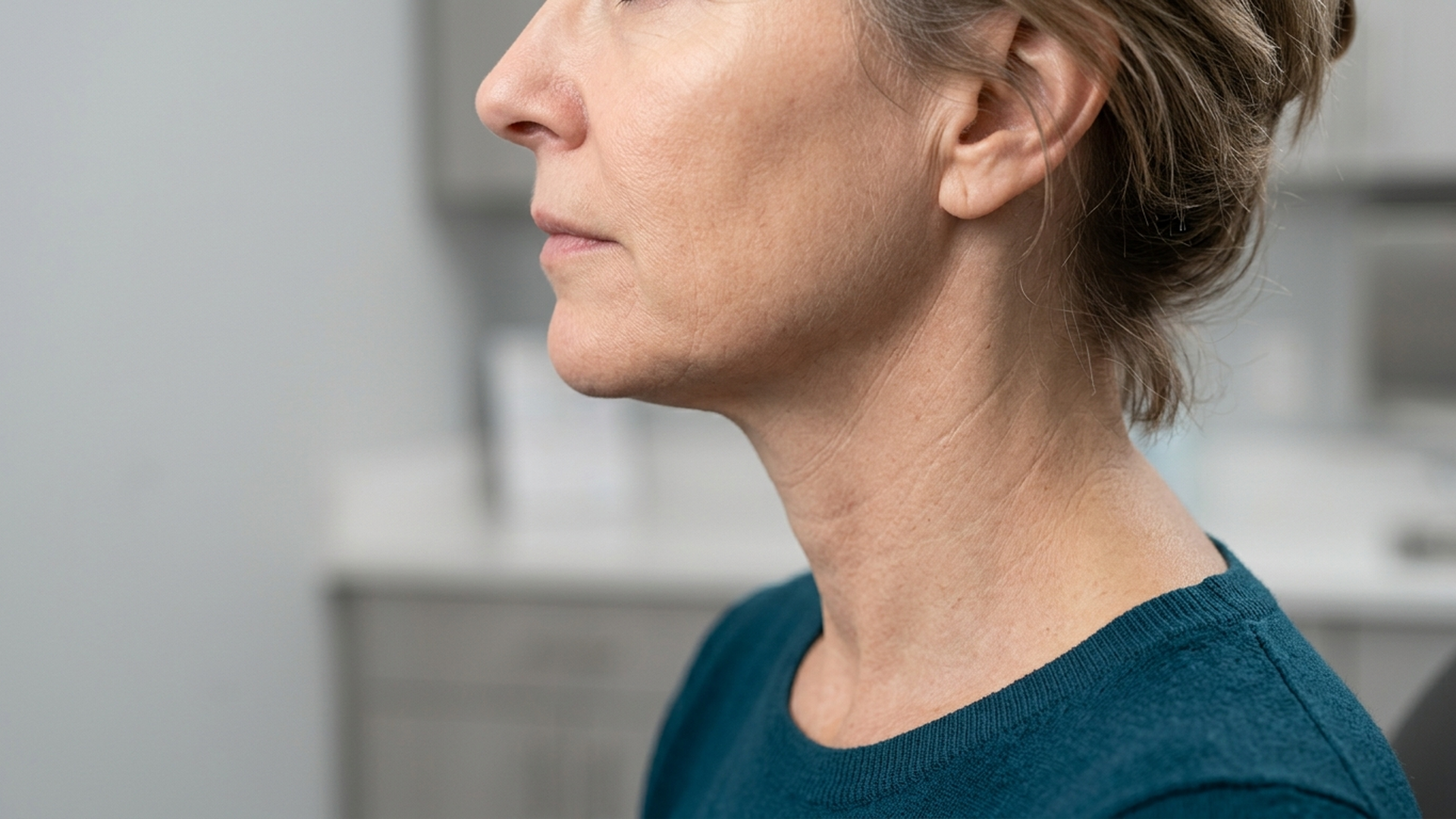
Determining whether you need a neck lift with facelift involves a physical assessment of the skin elasticity and the presence of fat deposits. In 2026, clinical standards suggest that if you can pinch more than 2 cm of skin under your chin, or if you have visible vertical neck bands, a combined approach is likely necessary. Many patients also consider facial fat transfer to restore volume in areas where the skin has become thin or hollowed due to aging.
The decision-making process should be collaborative. During a consultation, the surgeon will examine the degree of jowling and the quality of the skin. If the neck skin is severely damaged by sun exposure, a lift alone may not be enough, and additional skin-resurfacing treatments might be discussed. However, for the majority of patients, the structural improvement provided by a combined lift is sufficient to achieve a natural-looking transformation that restores the definition of the jawline.
- Assess the severity of vertical platysmal bands.
- Evaluate the amount of excess submental fat.
- Check for skin laxity in the mid-face region.
- Review personal aesthetic goals and recovery expectations.
- Discuss the impact of lifestyle factors on skin health.
Key Indicators for Combined Surgery
Candidates who benefit most from a combined approach usually present with a “heavy” neck or a loss of definition between the chin and the throat. Structural integrity is the primary goal; by lifting the neck, the surgeon removes the excess weight that pulls the lower face downward, effectively extending the lifespan of the facelift results. This synergistic effect is why most expert surgeons advocate for the combined procedure.
| Feature | Facelift Only | Neck Lift + Facelift |
|---|---|---|
| Target Area | Mid-face/Jowls | Face, Jawline, and Neck |
| Jawline Definition | Moderate | Excellent |
| Neck Band Correction | Minimal | Complete |
| Recovery Time | 2-3 weeks | 3-4 weeks |
The Surgical Process and Recovery Expectations
The procedure for a neck lift with facelift is performed under general anesthesia or deep sedation. The surgeon makes incisions that typically start near the temples, follow the natural curves of the ear, and extend into the hairline behind the ear. Through these incisions, the surgeon lifts the SMAS layer of the face and performs a platysmaplasty in the neck. This comprehensive technique allows for a smooth, continuous lift that avoids the “pixie ear” deformity or unnatural tension.
- The surgeon marks the incision lines while the patient is upright.
- Anesthesia is administered for patient comfort and safety.
- Incisions are made to access the underlying SMAS and platysma layers.
- Excess fat is removed or repositioned for optimal contouring.
- The skin is redraped and trimmed to fit the new facial frame.
- Incisions are closed with fine sutures to minimize scarring.
Important Note: The recovery process is a critical phase of the journey. While most swelling subsides within 14 days, the final results of a neck lift with facelift often take 3 to 6 months to fully manifest as tissues settle and internal healing completes.
Long-Term Benefits of Combined Procedures

Choosing a neck lift with facelift provides a more durable result than performing these surgeries years apart. When the face and neck are treated together, the tension distribution is uniform, which reduces the risk of skin irregularities. In 2026, advanced surgical protocols emphasize the importance of tissue management, ensuring that the skin is not over-tightened, which preserves the patient’s unique facial expressions and character.
Furthermore, the cost-effectiveness of a combined procedure is significant. By undergoing one surgery, the patient incurs only one set of anesthesia and facility fees. This economic efficiency, combined with the superior aesthetic outcome, makes the combined approach the preferred choice for patients traveling to Istanbul for high-quality cosmetic care. Maintaining the results requires a healthy lifestyle, including sun protection and a consistent skincare regimen, which can extend the benefits for 10 to 15 years.
- Uniform aging of the face and neck profile.
- Reduced overall surgical and recovery time.
- Enhanced definition of the jawline and chin.
- Improved long-term satisfaction with the aesthetic outcome.
- Lower risk of secondary corrective procedures.
- Better integration of soft tissue layers.
Frequently Asked Questions
Is a neck lift with facelift always necessary?
While not strictly mandatory for everyone, it is highly recommended for patients with visible neck laxity or platysmal bands. Addressing both areas simultaneously ensures a harmonious transition between the face and neck, preventing a mismatched appearance where the face looks significantly younger than the neck.
How long does the recovery from a combined lift take?
Most patients require about 3 to 4 weeks for initial recovery, during which swelling and bruising gradually subside. While you can return to light daily activities within 2 weeks, strenuous exercise should be avoided for at least 6 weeks to ensure optimal healing of the deeper tissues.
Is a neck lift with facelift considered a safe procedure?
When performed by a board-certified plastic surgeon in an accredited facility, the procedure is considered safe with a low complication rate. As of 2026, modern surgical techniques prioritize patient safety through meticulous planning and advanced anesthesia monitoring, significantly reducing risks associated with traditional, more invasive methods.
Will I have visible scars after the surgery?
Incisions are strategically placed within the natural contours of the ear and the hairline to ensure that scars are well-hidden. Over time, these fine lines typically fade significantly, becoming nearly imperceptible to the casual observer, especially when proper post-operative scar care is followed as directed by the surgeon.
Can I combine this with other facial procedures?
Yes, many patients choose to combine a neck lift with facelift with other procedures like eyelid surgery (blepharoplasty) or a brow lift. This “multi-modal” approach allows for a total facial rejuvenation in a single surgical session, provided the patient is in good health and cleared by the medical team.
How much does a neck lift with facelift cost in 2026?
The cost varies based on the surgeon’s expertise, the complexity of the case, and the facility location. In Istanbul, the combined procedure is competitively priced, often including comprehensive pre-operative testing and post-operative follow-up care, making it a highly attractive option for international patients seeking premium results.
How long do the results of a combined lift last?
The results are long-lasting, typically providing a rejuvenated appearance for 10 to 15 years. While the natural aging process continues, the structural improvements made to the SMAS and platysma layers remain, ensuring that you continue to look younger than you would have without the surgical intervention.
Deciding to undergo a neck lift with facelift is a significant step toward reclaiming your confidence and achieving a refreshed, youthful appearance. By addressing both the face and the neck as a single, cohesive unit, you ensure that your results are balanced, natural, and long-lasting. In 2026, the combination of advanced surgical techniques and expert care in Istanbul provides an unparalleled opportunity for high-quality facial rejuvenation. If you are noticing signs of aging in your jawline and neck, do not hesitate to seek a professional consultation to discuss your specific needs. Schedule a personalized assessment with a qualified specialist to begin your journey toward a more vibrant you.
What should I avoid before the surgery?
To ensure a smooth recovery, you should avoid smoking and nicotine products for at least four weeks prior to your procedure, as these significantly impair blood flow and healing. Additionally, you must discontinue the use of blood-thinning medications, such as aspirin or ibuprofen, and certain herbal supplements that may increase the risk of bleeding during and after the surgery.
How do I prepare my home for post-operative recovery?
Preparing your recovery space is essential for a stress-free healing period. Ensure you have a comfortable recliner or extra pillows to keep your head elevated at a 30-45 degree angle for the first week, which helps minimize facial swelling. Stock your pantry with soft, easy-to-digest foods and have your prescribed medications, cold compresses, and clean gauze pads readily available before you return from the clinic.
Who is not a suitable candidate for a combined neck and facelift?
Patients with uncontrolled medical conditions, severe cardiovascular issues, or those who are active smokers may be advised against surgery until their health profile improves.
How does smoking affect my recovery?
Smoking significantly impairs blood flow and wound healing, which can increase the risk of complications; therefore, surgeons typically require patients to stop smoking at least 4 weeks before and after the procedure.
Ready to transform your profile? Contact our clinic today to schedule your personalized consultation and discover if a combined neck lift and facelift is the right path for your aesthetic goals.