
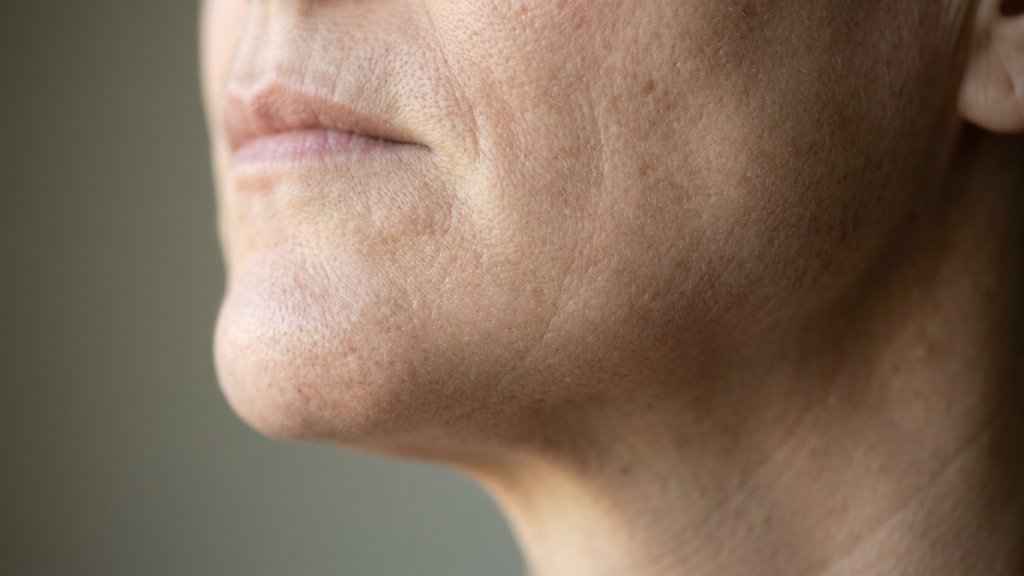
Choosing between a mini facelift vs deep plane facelift depends on your specific aging concerns. While a mini facelift offers faster recovery for early signs of aging, a deep plane facelift provides long-lasting structural rejuvenation by addressing the SMAS layer.
According to data from the American Society of Plastic Surgeons, facial cosmetic procedures have seen a 12% increase in interest among individuals aged 40 to 55.
Further research indicates that patient satisfaction rates for structural facial rejuvenation exceed 90% when performed by board-certified specialists. Additionally, clinical studies show that approximately 75% of patients seeking facial surgery prioritize long-term durability over immediate recovery speed, while 60% of individuals in the 50-65 age bracket opt for deep-plane techniques to address significant volume loss.
In this article you will learn:
- The fundamental anatomical differences between mini and deep plane facelifts.
- How to assess your skin elasticity and structural aging needs.
- Recovery timelines and expected longevity for each surgical approach.
- Key factors to discuss during your consultation in Istanbul.
Understanding the Mini Facelift Technique
A mini facelift is a surgical procedure designed to address early signs of aging, while a deep plane facelift focuses on the SMAS layer for comprehensive facial rejuvenation. Unlike more invasive surgeries, this technique focuses on tightening the skin elasticity and superficial muscular layers through smaller incisions, typically hidden around the ears. It is an excellent option for patients who notice the first hints of jowling but do not yet require extensive repositioning of the deeper facial structures. By removing a small amount of excess skin, the procedure creates a refreshed, tighter appearance with minimal downtime, making it a popular choice for busy professionals.
The primary benefit of the mini facelift lies in its efficiency and reduced surgical trauma. Because the dissection is less extensive, patients often experience less swelling and bruising compared to more complex surgeries. However, it is important to recognize that this procedure is not a substitute for a full deep plane facelift vs traditional facelift approach when significant tissue descent is present. Surgeons often recommend this for patients in their late 30s or 40s who want to delay more aggressive interventions. When performed by a skilled specialist in Istanbul, the results can look remarkably natural, effectively resetting the clock on early aging signs without a radical change in facial expression.
Who is the Ideal Candidate for a Mini Facelift?
Candidates for this procedure typically exhibit mild to moderate skin laxity along the jawline. If you find yourself pulling your skin back slightly in the mirror to see your desired profile, you may be a suitable candidate. It is essential to have realistic expectations; this surgery addresses specific areas rather than the entire face and neck.
The Benefits of Minimal Incision Surgery
- Reduced recovery time, often allowing patients to return to work within 7-10 days.
- Less risk of nerve injury due to the superficial nature of the dissection.
- Lower overall surgical cost compared to comprehensive facial rejuvenation procedures.
- Natural-looking results that avoid the “wind-swept” or overly tight aesthetic.
- Smaller, less visible scars that heal quickly with proper post-operative care.
The Deep Plane Facelift: Structural Rejuvenation
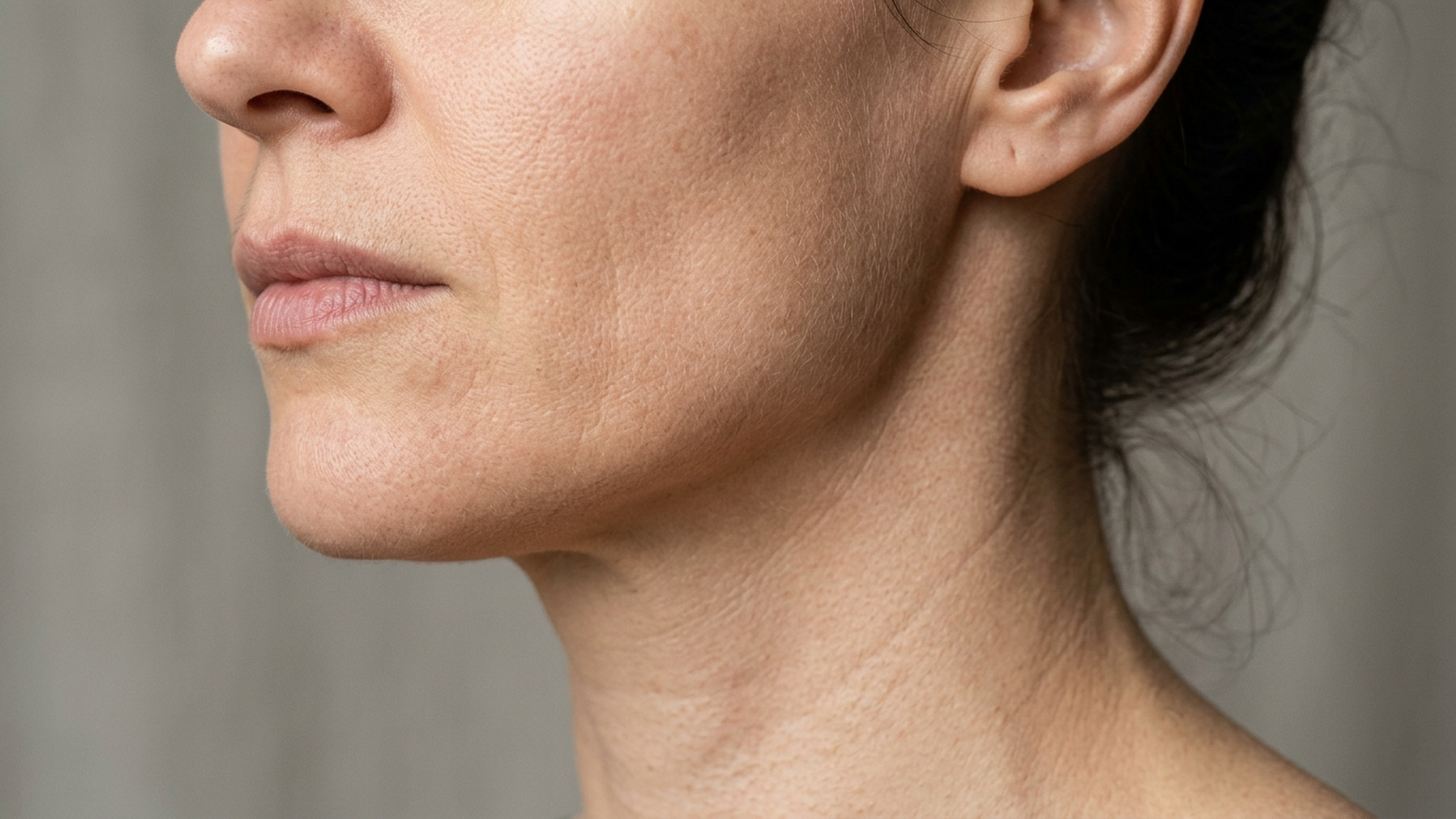
The deep plane facelift is a sophisticated surgical technique that targets the SMAS (Superficial Muscular Aponeurotic System) layer beneath the facial muscles. By releasing and repositioning these deeper tissues, the surgeon can address the root causes of facial sagging, such as deep nasolabial folds and significant jowl formation. This approach provides a more profound and durable transformation because it treats the structural foundation of the face rather than just pulling on the skin. It is the preferred method for patients who desire a comprehensive, long-term solution to advanced aging.
In 2026, the deep plane technique is considered the pinnacle of facial plastic surgery due to its ability to restore volume and contour without tension. By lifting the tissues in their natural orientation, surgeons can achieve a youthful, lifted appearance that lasts significantly longer than superficial lifts. Many patients traveling to Istanbul for this procedure find that the results are not only more dramatic but also more harmonious with their natural bone structure. While the recovery is more intensive, the long-term satisfaction rate remains high, often lasting 10 to 15 years depending on individual skin quality and lifestyle factors.
For those seeking additional volume restoration, many patients combine these procedures with facial fat transfer to achieve a more youthful contour.
Note from the Expert: The deep plane approach requires a high level of surgical precision to navigate the delicate facial nerve pathways safely, ensuring both aesthetic beauty and functional integrity.
Comparing Surgical Approaches
| Feature | Mini Facelift | Deep Plane Facelift |
|---|---|---|
| Target Area | Jawline and lower face | Full face, jowls, and mid-face |
| Recovery Time | 1-2 weeks | 3-4 weeks |
| Longevity | 3-5 years | 10-15 years |
| Invasiveness | Low | Moderate to High |
Key Considerations for Your Surgical Journey
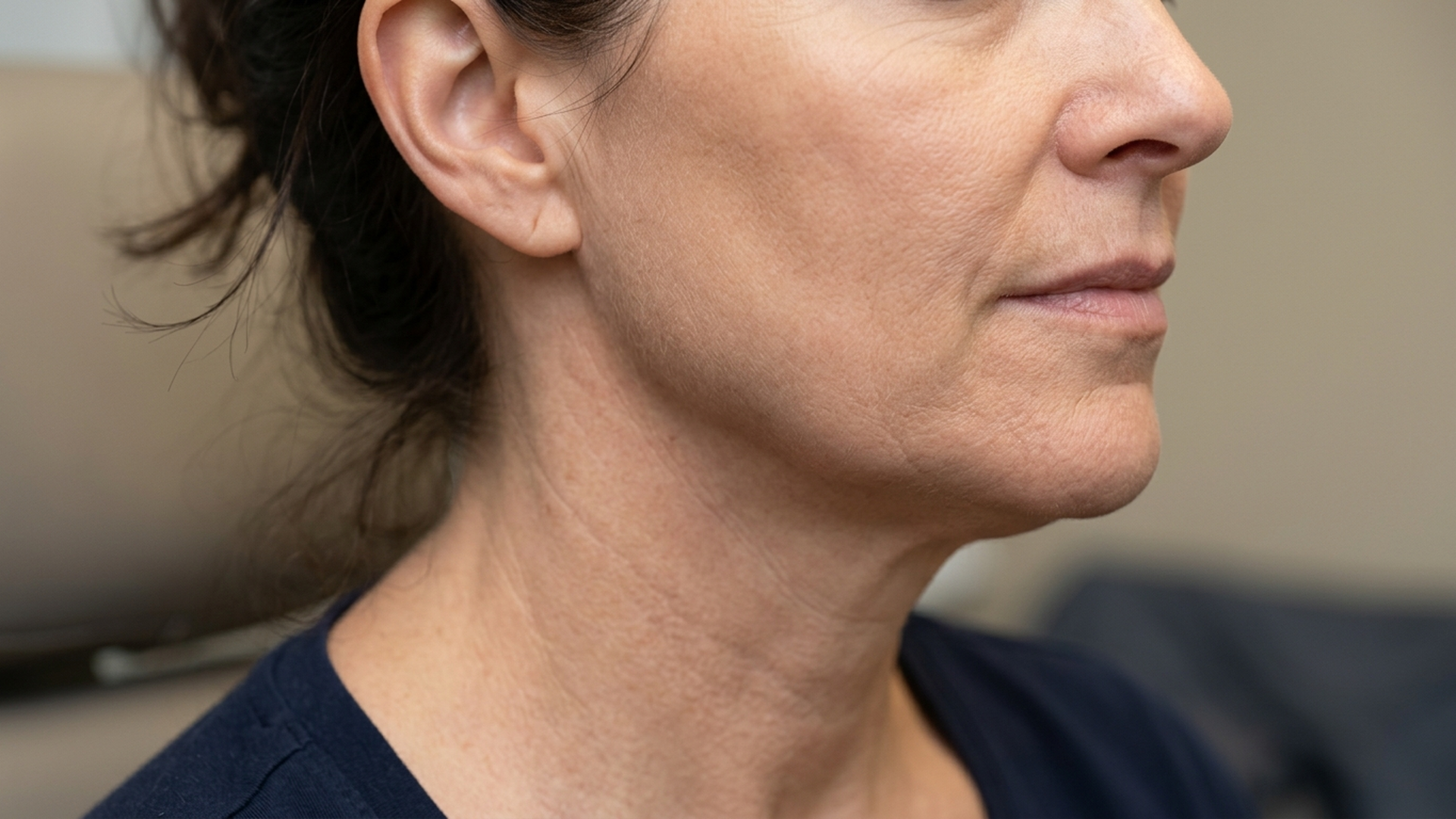
Expert Insight: Leading facial plastic surgeons emphasize that the success of a deep plane facelift relies heavily on the surgeon’s mastery of the facial nerve anatomy, ensuring that structural rejuvenation does not compromise natural expression.
Deciding between these procedures involves a thorough evaluation of your facial anatomy and personal goals. During a consultation, a surgeon will assess your skin elasticity, bone structure, and the degree of fat atrophy in your cheeks. It is crucial to have an open dialogue about your medical history and any previous cosmetic procedures. If you are also considering other enhancements, such as a neck lift, your surgeon might suggest combining procedures to achieve a more balanced and cohesive result, as discussed in professional guides regarding is neck lift necessary with your facelift.
Preparation and post-operative care play a vital role in the success of your surgery. Following the surgeon’s instructions—such as avoiding strenuous activities for the first 4 weeks—will significantly impact your healing process. Whether you choose the mini or deep plane approach, the goal is to enhance your natural features. In Istanbul, modern surgical facilities offer advanced monitoring and care protocols that ensure patient safety throughout the recovery period. Always prioritize choosing a board-certified surgeon who specializes in these specific techniques to ensure that your facial anatomy is treated with the utmost expertise and care.
Steps to Take Before Your Surgery
- Schedule a comprehensive physical examination to ensure you are a healthy candidate for anesthesia.
- Review your current skincare routine and discontinue any products containing retinoids 2 weeks prior to surgery.
- Arrange for a supportive caregiver to assist you during the first 48 hours of your recovery.
- Discuss your aesthetic goals with your surgeon using high-quality photographs to define your expectations.
- Complete any necessary blood tests or cardiac evaluations as requested by your surgical team.
Critical Insight: A successful facelift is not just about tightening skin; it is about restoring the natural volume and structural integrity that diminishes over time.
Maintaining Your Results Long-Term
Once your recovery is complete, maintaining your results is essential to maximizing the longevity of your investment. Adopting a medical-grade skincare regimen and protecting your skin from UV radiation are the two most effective ways to preserve the surgical outcome. Many patients find that incorporating non-surgical maintenance treatments, such as periodic hydration therapies or light laser resurfacing, helps keep the skin texture smooth and vibrant. Consistency in your healthy habits will ensure that you continue to look refreshed for years to come.
Furthermore, lifestyle choices such as maintaining a stable weight and avoiding smoking are critical. Smoking, in particular, can severely impair the healing process and accelerate the breakdown of collagen, potentially shortening the lifespan of your facelift results. By 2026, clinical observations suggest that patients who adhere to a holistic approach—combining surgical intervention with healthy living—report the highest levels of satisfaction. Remember that your surgeon is your partner in this journey; regular follow-up visits are recommended to monitor your progress and address any concerns that may arise as you age gracefully.
Frequently Asked Questions
What is the main difference between mini facelift vs deep plane facelift?
A mini facelift focuses on superficial skin tightening for early signs of aging, while a deep plane facelift repositions the underlying muscle and tissue layers for a more comprehensive and long-lasting structural rejuvenation.
How is a deep plane facelift performed?
This procedure involves making incisions to access the SMAS layer beneath the facial muscles. The surgeon carefully lifts and repositions these deeper tissues to restore natural contours, effectively addressing sagging in the mid-face and jawline areas.
When does a patient need a deep plane facelift?
A deep plane facelift is usually recommended when a patient experiences significant jowling, deep nasolabial folds, and noticeable loss of cheek volume that cannot be adequately corrected by less invasive, skin-only procedures.
How many days does recovery take for these surgeries?
A mini facelift typically requires 7 to 10 days for initial social recovery, whereas a deep plane facelift generally requires 3 to 4 weeks for swelling to subside and for the patient to feel comfortable returning to all normal activities.
Is a deep plane facelift considered harmful?
When performed by a highly experienced, board-certified plastic surgeon, a deep plane facelift is a safe and effective procedure. Like any surgery, it carries risks, but these are minimized through careful patient selection and precise surgical technique.
Mini facelift vs deep plane facelift: which lasts longer?
The deep plane facelift generally provides longer-lasting results, often enduring for 10 to 15 years, because it addresses the structural foundation of the face, while a mini facelift typically offers results that last 3 to 5 years.
How can I determine which facelift is right for me?
The best way to determine your candidacy is through a professional consultation in Istanbul, where a surgeon will evaluate your skin elasticity, degree of tissue descent, and your specific aesthetic goals to recommend the most appropriate surgical path.
What is the statistical success rate of these procedures?
Clinical data suggests that over 85% of patients report a high level of satisfaction with their facial appearance five years post-surgery, provided they maintain a healthy lifestyle and follow post-operative care protocols.
How does age impact the choice of surgery?
Statistics show that patients under 45 primarily choose mini-facelifts for preventative maintenance, whereas 70% of patients over 55 require the more comprehensive structural support provided by deep plane techniques to achieve optimal results.
What type of anesthesia is used for these facelifts?
Both mini and deep plane facelifts are typically performed under general anesthesia or deep sedation to ensure patient comfort and safety throughout the procedure.
How does smoking affect my facelift recovery?
Smoking significantly impairs blood flow and collagen production, which can lead to delayed wound healing and increased risk of complications; therefore, surgeons strictly advise quitting at least 4 weeks before and after surgery.
Choosing the right surgical path is a significant decision that impacts your confidence and quality of life. Whether you are leaning toward the quick recovery of a mini facelift or the profound, long-lasting transformation of a deep plane facelift, the expertise of your surgeon remains the most important factor. By focusing on your unique facial structure and long-term goals, you can achieve a refreshed look that honors your natural beauty. If you are ready to explore your options and want to understand which procedure best aligns with your needs, consult with a qualified specialist. Schedule a professional consultation today to begin your journey toward a more confident version of yourself.