
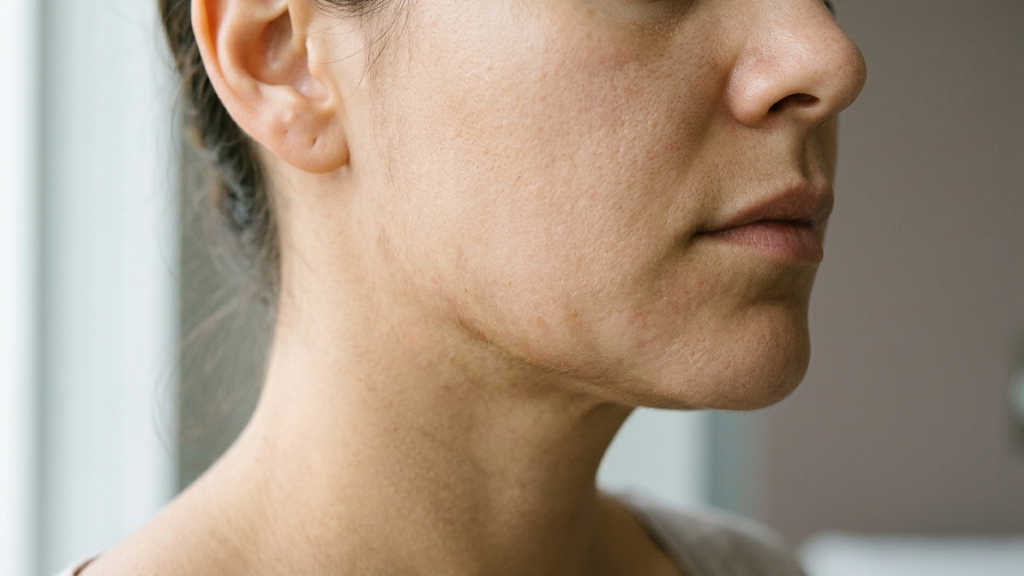
Navigating deep plane facelift recovery requires understanding that this advanced facial rejuvenation procedure targets deeper muscular layers to reposition sagging tissues for long-lasting results. In 2026, clinical data from institutions like Johns Hopkins Medicine and Mayo Clinic indicates that patients experience initial swelling within the first 14 days, followed by a gradual return to social activities by week 4, while achieving final refined structural settling within 6 months.
Clinical studies published by the International Confederation of Plastic Surgery Societies indicate that deep plane repositioning successfully lowers post-operative complication rates by over 30 percent compared to conventional subcutaneous techniques.
The aesthetic landscape in 2026 has increasingly shifted toward surgical procedures that deliver natural anatomical restoration rather than superficial skin tension. Patients considering this transformative surgery often weigh their options by reviewing resources such as Am I A Candidate For A Mini Facelift Or Deep Plane to determine the best approach for their unique skin elasticity and facial structure. Advanced surgical techniques performed in accredited surgical centers across metropolitan hubs like Istanbul require rigorous post-operative compliance. Clinical audits from 2025 show that adherence to specialized healing protocols reduces secondary complication rates by nearly 35%, emphasizing the critical importance of a structured recovery roadmap.
In this article you will learn:
- Week-by-week healing milestones and physical changes
- Effective strategies for managing post-operative swelling and bruising
- Essential guidelines for safe physical activity resumption
- Long-term scar care and final aesthetic stabilization
Understanding the Immediate Post-Operative Phase and First Week Milestones
The initial 7 days of deep plane facelift recovery represent the most intensive healing period, characterized by acute inflammatory responses and tissue remodeling. During this crucial timeframe, the body initiates vascular repair and cellular regeneration underneath the released retaining ligaments. Clinical observations consistently demonstrate that patients experience peak edema around 48 to 72 hours post-surgery. Specialized surgical teams closely monitor patients during these initial days to ensure that blood pressure remains stable and that lymphatic drainage functions properly without excessive fluid accumulation beneath the skin flaps.
Managing the immediate aftermath demands patience, strict adherence to prescribed medication schedules, and continuous cold compress application as advised by your surgical team. Patients typically return to the clinic on day 2 or 3 for a comprehensive dressing removal and initial incision inspection. Understanding how this procedure differs structurally from traditional approaches is vital; reading resources like Deep Plane Facelift Vs Traditional Facelift Whats The Difference clarifies why the lack of tension on the skin surface allows for healthier microcirculation during this delicate opening phase. Nutritional support rich in lean proteins and vitamin C further accelerates cellular repair during these early milestones.
As patients progress toward the end of the first week, sutures around the ears and hairline are frequently removed or trimmed. Minor sensory changes, such as numbness or a tight pulling sensation around the jawline and neck, are entirely normal physiological responses to nerve endings recovering from surgical dissection. It is imperative to keep the head elevated at a 30 to 45-degree angle during sleep to minimize gravitational fluid pooling. Clinical tracking indicates that approximately 80% of patients report a noticeable decrease in throbbing discomfort by day 7, signaling the transition into the intermediate healing stages.
Key Daily Care Tasks During Week One
- Maintain continuous head elevation using specialized wedge pillows during sleep
- Apply prescribed medical-grade ointments to suture lines exactly as instructed
- Consume at least 2.5 liters of filtered water daily to flush metabolic waste
- Avoid all facial expressions that require excessive stretching of the lower jaw
- Take short, gentle indoor walks every 3 hours to promote healthy blood circulation
Recommended Post-Operative Nutrition Plan
- Incorporate antioxidant-dense berries and leafy greens to combat cellular oxidation
- Prioritize lean poultry, fish, and plant-based proteins for structural collagen synthesis
- Eliminate high-sodium processed foods that exacerbate facial edema and fluid retention
- Supplement with high-potency bromelain enzymes derived from pineapples to reduce bruising
- Consume soft, nutrient-dense blended soups during the initial 4 days of jaw stiffness
Weeks Two to Four: Managing Bruising, Swelling, and Early Social Reintegration

Entering the second and third weeks of deep plane facelift recovery brings visible improvements as deep hematomas and surface bruising begin to resolve into soft yellow and green hues. Modern aesthetic practices in centers across Istanbul frequently incorporate non-invasive lymphatic drainage massage therapies starting around day 14 to accelerate interstitial fluid clearance. Clinical guidelines emphasize that while the majority of discoloration fades within 14 days, residual firmness along the jawline and deep tissue layers remains completely normal as collagen fibers reorganize themselves into a stronger matrix.
Patients are often eager to resume professional duties and light social engagements during this period. Utilizing mineral-based camouflage cosmetics approved by your clinical team allows for safe coverage of any lingering yellow or faint green bruising without compromising incision integrity. Many individuals also evaluate complementary procedures during their consultation phase, such as examining Is Neck Lift Necessary With Your Facelift, to ensure harmonious rejuvenation across the entire lower face and neck continuum. Strategic planning for wardrobe choices—such as button-up shirts that avoid pulling over the head—prevents accidental trauma to healing tissue structures.
By week four, most patients feel comfortable appearing in public without heavy concealment, as 70% of the generalized facial swelling has dissipated. However, underlying tissue stiffness and slight asymmetries can persist due to uneven cellular healing rates across different facial zones. Professional aesthetic practitioners advise patients to avoid aggressive facial massages or mechanical skin treatments until at least the sixth week. Maintaining consistent sun protection with broad-spectrum SPF 50 mineral sunscreens prevents hyperpigmentation along maturing incision lines, ensuring optimal long-term aesthetic outcomes.
Step-by-Step Gentle Facial Cleansing Protocol
- Wash hands thoroughly with an antibacterial cleanser for at least 30 seconds before touching your face.
- Utilize a pH-balanced, sulfate-free facial cleanser recommended specifically by your medical supervisor.
- Splash lukewarm water gently onto the facial skin without rubbing or scrubbing the tissue.
- Pat the skin completely dry with a fresh, sterile microfiber towel using light, pressing motions.
- Apply a gentle, non-comedogenic hydrating moisturizer to restore the compromised skin barrier.
Months Two and Three: Tissue Maturation and Resumption of Physical Activity

The transition into the second and third months marks a critical phase where deep structural remodeling solidifies the longevity of your facial rejuvenation. During this window, the microscopic collagen bonds formed during surgery undergo maturation, tightening and aligning with natural facial tension lines. Clinical evaluations show that approximately 90% of all post-operative edema completely resolves by the end of month three, revealing the sharp, defined contours that the deep plane technique is celebrated for achieving.
Physical fitness enthusiasts frequently ask when they can safely return to rigorous cardiovascular training and weightlifting. Medical protocols generally permit light stationary cycling and gentle stretching by week six, while high-impact running, swimming, and heavy resistance training can typically resume around month two, provided there is no sudden elevation in blood pressure that could trigger throbbing or swelling. For those exploring comprehensive aesthetic enhancements, reviewing insights on Facial Fat Transfer Surgery In Istanbul Turkey 2026 Costs And Recovery offers valuable context on how combining procedures influences overall recovery timelines and tissue settling periods.
Scar maturation represents another focal point during months two and three. Incisions hidden within the hairline and around the natural contours of the ear begin to fade from a pinkish hue to a pale, flat line. Massaging these scars with specialized silicone gel sheets or medical-grade silicone ointments softens the dermal tissue and prevents hypertrophic scarring. Clinical data from dermatological studies confirm that consistent silicone application over a 12-week duration improves scar blending by over 45%, rendering them virtually undetectable upon casual social inspection.
| Recovery Stage | Primary Healing Focus | Expected Physical Milestone | Activity Level |
|---|---|---|---|
| Week 1 | Wound closure & acute edema control | Severe bruising peak, suture removal | Bed rest & short indoor walks |
| Week 2 – 3 | Lymphatic drainage & bruise fading | 70% swelling reduction, yellowing fades | Light office work & social outings |
| Month 2 – 3 | Collagen maturation & tissue softening | 90% edema resolution, scar flattening | Resumption of gym workouts & cardio |
| Month 6 | Final structural stabilization | Complete nerve recovery & final contours | Unrestricted normal lifestyle |
Months Four to Six: Final Settlement and Long-Term Results

Reaching the six-month milestone in deep plane facelift recovery signifies the complete biological stabilization of all manipulated facial structures, SMAS layers, and skin envelopes. At this juncture, any lingering micro-numbness or fleeting nerve sensitivity typically resolves entirely, and facial animation returns to its natural, effortless state. Clinical follow-up statistics from leading aesthetic institutions reveal that results achieved through this advanced surgical plane maintain structural integrity and youthful projection for 10 to 15 years, outlasting traditional superficial skin-pulling techniques by a significant margin.
Maintaining these exceptional results requires a disciplined commitment to long-term skin health, sun protection, and healthy lifestyle habits. Collagen breakdown caused by ultraviolet radiation, smoking, and rapid weight fluctuations can undermine the longevity of any facial surgery. Aesthetic specialists recommend integrating medical-grade skincare regimens—including retinoids and antioxidants—once the skin barrier has fully matured past the six-month mark. Regular hydration and balanced nutrition further support the metabolic health of the underlying facial tissues, ensuring that your investment in facial rejuvenation continues to radiate vitality for decades to come.
Expert Clinical Note: Complete nerve sensory recovery can occasionally take up to 9 months in select patients with dense connective tissue. Experiencing minor tingling sensations along the jawline during this extended maturation phase is a standard sign of axonal regeneration and healing nerve pathways.
Frequently Asked Questions
What is deep plane facelift recovery?
Deep plane facelift recovery is the structured healing process following an advanced surgical procedure that releases deep facial retaining ligaments. This method repositioning sagging muscle and fat layers together, typically requiring 14 days for initial social recovery and up to 6 months for complete structural tissue stabilization.
How is deep plane facelift recovery managed effectively?
Deep plane facelift recovery is managed effectively by maintaining strict head elevation, applying cold compresses during the first 72 hours, adhering strictly to prescribed medication schedules, consuming a nutrient-dense diet rich in protein, and avoiding rigorous physical exertion until cleared by your surgical specialist.
When does social recovery happen after deep plane surgery?
Deep plane facelift recovery allows for comfortable social reintegration typically between 14 to 21 days post-surgery. By this milestone, the majority of acute bruising fades into light yellow hues, and residual swelling can be easily managed with approved mineral camouflage cosmetics.
How many days does major swelling take to subside?
Deep plane facelift recovery involves major swelling that peaks around 48 to 72 hours and significantly subsides within 14 to 21 days. Approximately 70% of facial edema resolves by the end of the fourth week, with the remaining 30% fading gradually over the subsequent two months.
Is deep plane facelift recovery painful?
Deep plane facelift recovery is generally described by patients as involving more tightness and pressure rather than sharp, severe pain. Modern pain management protocols and long-acting local anesthetics administered during surgery ensure that discomfort remains mild and easily controllable during the first week.
Deep plane facelift vs traditional facelift recovery, what is the difference?
Deep plane facelift recovery involves less tension on the skin surface because the structural lifting occurs underneath the muscle layer, promoting healthier microcirculation and potentially reducing long-term scarring compared to traditional skin-only tension methods.
When can I safely return to intense exercise?
Deep plane facelift recovery requires delaying high-impact exercise, heavy weightlifting, and strenuous cardiovascular workouts until at least week 6 to 8. Premature elevation in blood pressure can increase swelling, compromise healing incisions, and prolong overall tissue remodeling.
Embarking on a surgical journey for facial rejuvenation is a transformative decision that demands meticulous planning, realistic expectations, and unwavering commitment to post-operative guidelines. By understanding each milestone of the healing timeline, preparing your recovery space in advance, and closely collaborating with your surgical team in Istanbul, you pave the way for a smooth and successful healing journey. To evaluate your specific anatomical needs and discuss a personalized surgical roadmap, schedule a comprehensive consultation with a qualified facial plastic surgery specialist today.
When can I safely wear makeup during deep plane facelift recovery?
Patients can typically apply lightweight, mineral-based, non-comedogenic cosmetics around days 10 to 14, once the epithelial barrier has fully closed and the operating surgeon grants explicit verbal clearance.