
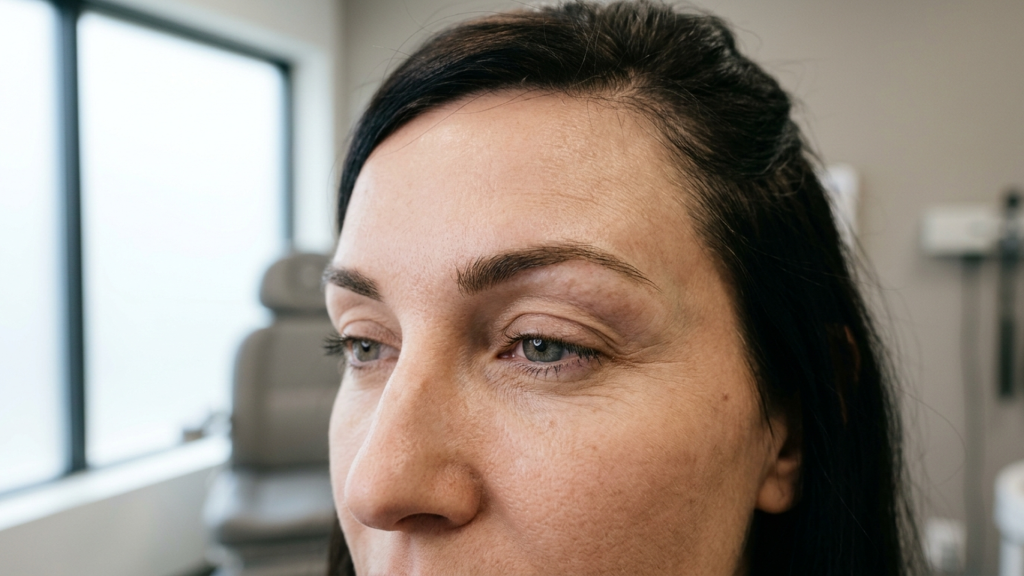
Evaluating fox eyes surgery vs thread lift reveals distinct longevity differences; surgical procedures typically provide permanent results lasting many years, whereas non-surgical thread lifts generally maintain their lifting effect for 12 to 18 months depending on individual collagen synthesis and lifestyle factors. Choosing between these modalities depends on desired anatomical alterations, recovery tolerance, and financial investment.
In 2026, aesthetic facial rejuvenation procedures have evolved significantly, offering patients in Istanbul and global metropolitan centers advanced choices for lateral brow elevation. According to recent clinical data published in the National Center for Biotechnology Information, minimally invasive facial treatments have surged by 34% over the past three years, driven by a growing demand for shorter downtime. However, patients seeking lasting structural repositioning frequently transition from temporary interventions to permanent surgical alternatives. Understanding the mechanics, tissue response, and expected duration of each technique remains vital for realistic expectations and optimal satisfaction.
In this article you will learn:
- Anatomical differences between surgical fox eyes and thread lifts
- Expected duration and longevity timelines for both procedures
- Step-by-step procedural insights and recovery expectations
- Cost analysis and candidate selection criteria in modern practice
Anatomical Mechanisms: How Fox Eyes Surgery Differs from Thread Lifts
The pursuit of a dramatic, almond-shaped lateral eye contour involves precise manipulation of the superficial musculoaponeurotic system and orbital retaining ligaments. Fox eyes surgery—often performed via temporal or lateral browpexy approaches—secures the tissue directly to stable periosteal structures beneath the hairline. By physically repositioning and excising redundant skin, surgeons achieve a stable, enduring architectural shift that resists gravitational pull. This permanent mechanical suspension ensures that the underlying support remains intact long after initial tissue swelling subsides completely within 30 days.
Expert Insight: Leading board-certified facial plastic surgeons emphasize that securing tissues directly to the periosteum is the gold standard for preventing early mechanical slippage in feline eye reshaping procedures.
Conversely, a thread lift utilizes biodegradable sutures equipped with tiny barbs, cones, or spirals to mechanically elevate the tail of the eyebrow. When inserted into the subdermal layer, these medical-grade threads immediately engage soft tissue, lifting the brow into the desired oblique vector. Beyond immediate mechanical elevation, these threads stimulate localized fibroblast activity, inducing collagen biostimulation over a span of 6 to 9 months. Clinical observations in Istanbul aesthetic clinics indicate that while the foreign body reaction produces beneficial structural reinforcement, the threads eventually hydrolyze, leaving behind an encapsulated collagen matrix that gradually relaxes.
For individuals exploring comprehensive facial rejuvenation, understanding broader surgical classifications is helpful. Patients frequently evaluate whether they require targeted brow modifications or a complete structural overhaul, as outlined in specialized literature regarding temporal lift vs brow lift procedures. Selecting the correct primary intervention prevents secondary revision surgeries and aligns perfectly with long-term aesthetic goals.
Tissue Response and Cellular Healing Dynamics
Surgical intervention initiates a controlled wound-healing cascade involving primary intention closure, where primary structural stability is attained through internal fixation sutures. The body integrates the repositioned tissue into its new anatomical bed over a 90-day remodeling phase. This structural anchoring prevents the rapid descent commonly observed in elastic tissue treatments.
In contrast, thread-based modalities rely entirely on secondary collagenesis. As the PDO (polydioxanone), PLLA (poly-L-lactic acid), or PCL (polycaprolactone) threads break down via hydrolysis, the newly formed collagen network attempts to maintain the suspension. However, without permanent fixation points, continuous facial animation and natural aging gradually overcome this fragile network.
Key Differences Between Fox Eyes Surgery and Thread Lifts
| Feature | Fox Eyes Surgery (Surgical) | Thread Lift (Non-Surgical) |
|---|---|---|
| Primary Duration | Permanent (Many Years) | 12 to 18 Months |
| Downtime Required | 7 to 14 Days | 2 to 5 Days |
| Anesthesia Type | Local with Sedation or General | Local Topical Anesthesia |
| Reversibility | Requires Revision Surgery | Naturally Metabolized |
| Ideal Age Group | 25 to 60+ Years | 20 to 40 Years |
Longevity Comparison: Which Option Lasts Longer?
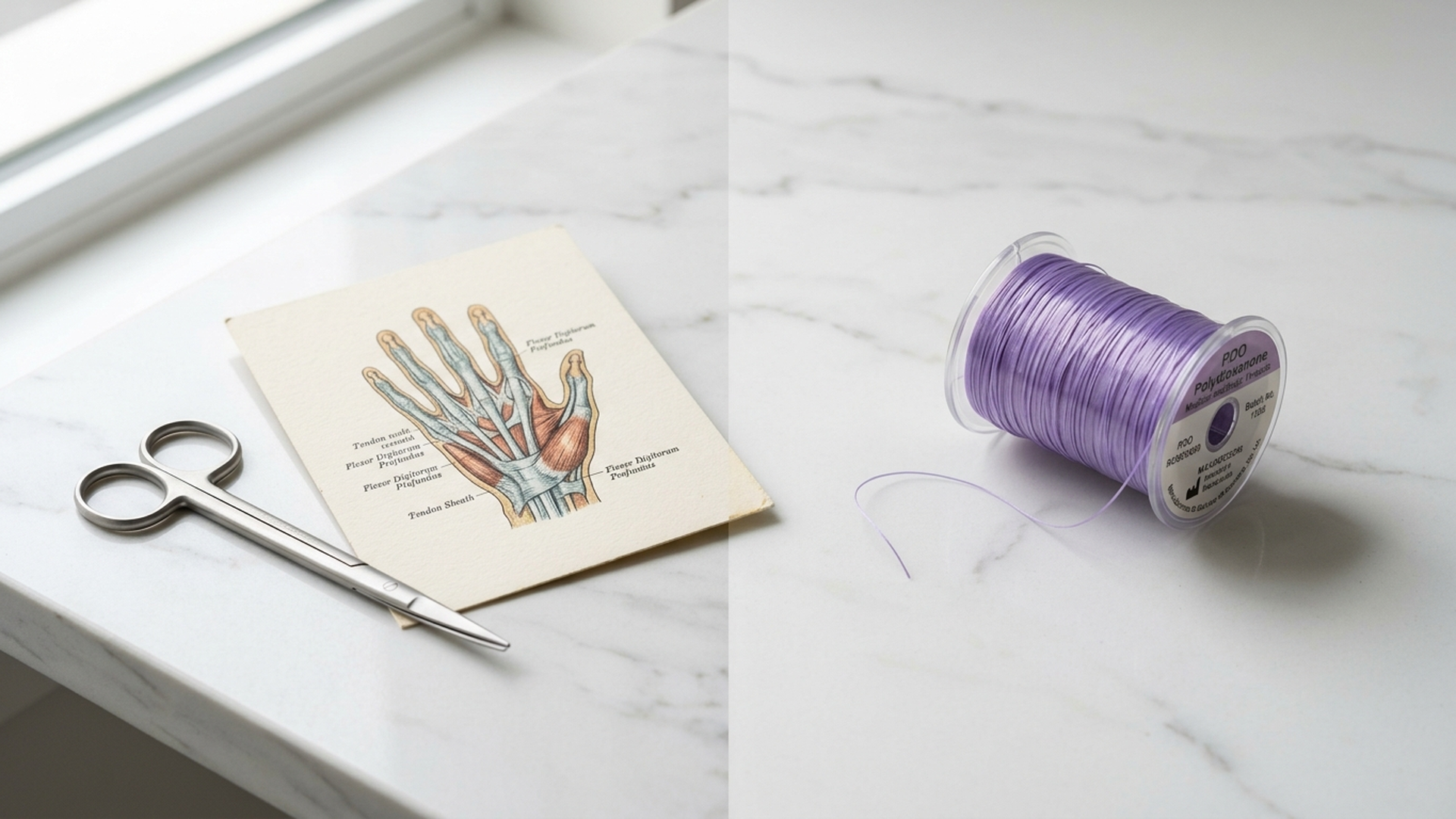
When analyzing durability, surgical intervention definitively outperforms temporary suspension techniques. Fox eyes surgery vs thread lift longevity studies demonstrate that surgical fixation provides a stable framework lasting upwards of 5 to 10 years, depending on individual skin elasticity, sun exposure, and intrinsic aging rates. Because excess skin is excised and deep structural layers are sutured securely to bone or firm fascia, the physiological shift withstands daily facial expressions and gravitational forces remarkably well.
Clinical audit data from 2025 reveals that approximately 82% of patients seeking revision cosmetic procedures previously utilized temporary thread methods before committing to definitive surgical interventions.
On the other hand, thread lifts represent a temporary aesthetic enhancement. Most patients observe a noticeable decline in elevation around the 12-month mark, necessitating repeat procedures to maintain the sharp, slanted contour. While the residual collagen deposition provides marginal tonicity compared to baseline pre-procedure levels, it cannot replicate the structural repositioning achieved by an experienced plastic surgeon utilizing deep-plane stabilization techniques.
- Initial consultation and customized vector mapping based on individual facial asymmetry.
- Administration of local anesthesia and precise subcutaneous or sub-periosteal dissection.
- Placement of permanent fixation sutures or insertion of bio-absorbable suspension threads.
- Securing the lateral canthal area or brow tail to achieve the target obliquity.
- Post-procedure stabilization, application of supportive dressings, and final recovery instructions.
Expert Insight: Patients who prioritize long-term convenience almost universally prefer surgical approaches, whereas individuals wishing to test a specific look without surgical commitment frequently begin with thread applications before upgrading to permanent solutions.
Patients comparing surgical longevity frequently review comprehensive facial harmonization guides to understand how different levels of intervention interact. Exploring resources such as insights on mini facelift vs deep plane procedures provides valuable perspective on tissue manipulation depths, reinforcing why permanent surgical vectors endure far longer than temporary suture suspensions.
Factors That Influence Results Duration
Several endogenous and exogenous variables dictate how long your enhanced brow contour remains crisp and elevated. Genetic predisposition toward strong skin laxity can shorten the lifespan of thread lifts significantly, whereas robust dermal thickness supports both surgical and non-surgical outcomes more favorably.
Lifestyle elements also play an undeniable role in tissue aging. Chronic sun exposure breaks down elastin fibers rapidly, while repetitive mechanical stress from aggressive facial rubbing or sleeping positions accelerates the degradation of collagen matrices around the outer orbital rim.
Metabolic Breakdown of Suspension Threads
The lifespan of a thread lift is strictly bound to the chemical composition of the suture material utilized. Standard PDO threads completely dissolve within 6 to 8 months, while PLLA and PCL threads extend this breakdown timeline up to 18 to 24 months. Once complete hydrolysis occurs, the mechanical lift vanishes completely, leaving only the scar-tissue scaffold behind.
Recovery, Downtime, and Risk Profiles
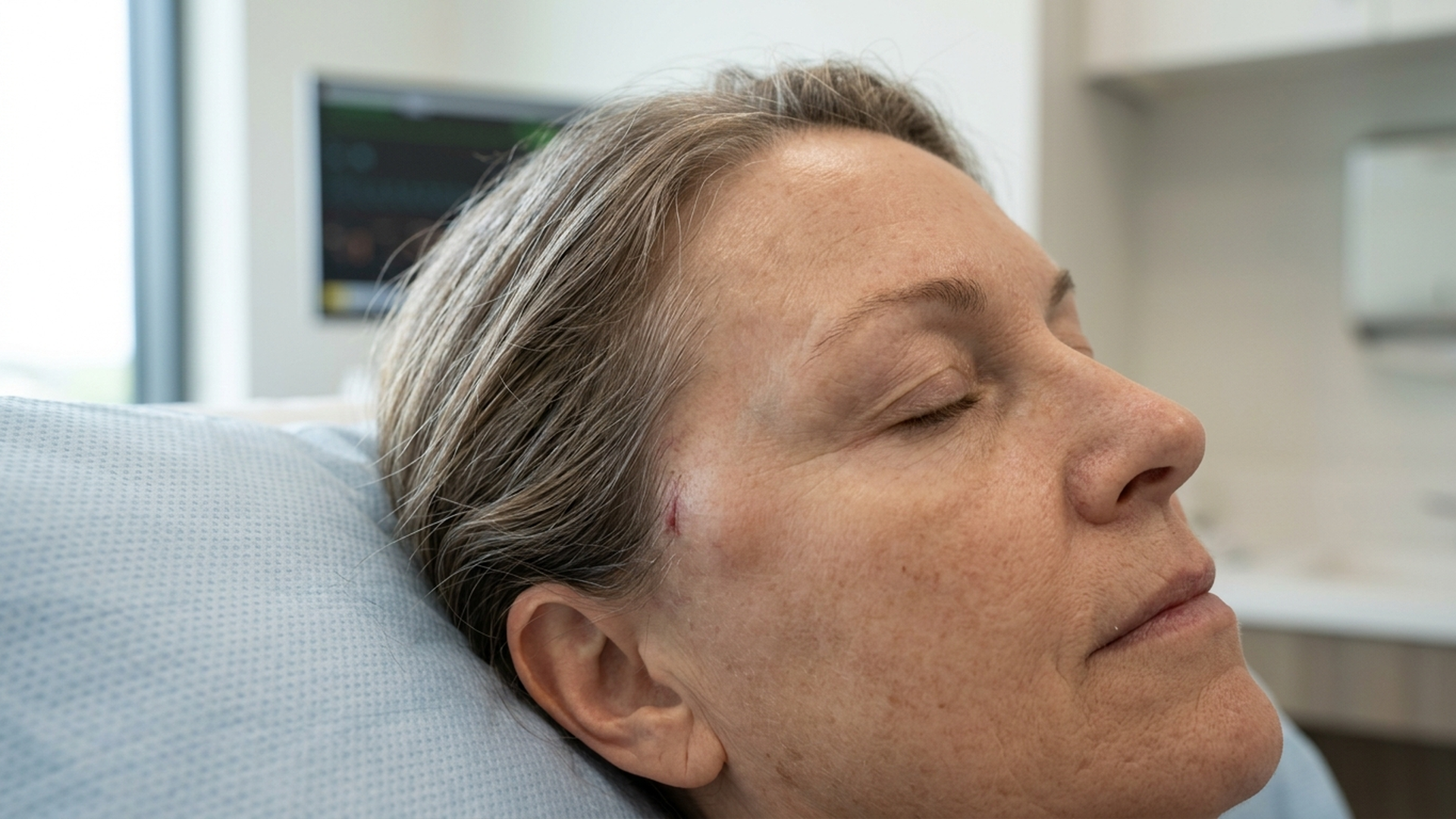
Evaluating the recovery journey between these two procedures highlights a profound trade-off between immediate convenience and long-term endurance. Surgical procedures demand a more substantial commitment to healing. Patients typically experience localized swelling, bruising, and mild temporal tension around the temporal incisions for up to two weeks before returning to social or professional environments.
Conversely, thread lifts boast minimal downtime, often allowing individuals to resume normal daily activities within 24 to 48 hours. Minor pinpoint bruising, transient puckering of the skin along the entry points, and mild aching during jaw movement may occur, but these symptoms typically resolve rapidly. However, improper thread placement by inexperienced practitioners can lead to visible dimpling, asymmetry, or nerve irritation, underscoring the importance of selecting a qualified specialist.
Safety Note: Strict adherence to post-procedure care instructions—such as avoiding excessive facial movements, sleeping on the back, and refraining from rigorous exercise for at least 14 days—minimizes complications and optimizes final aesthetic results.
For those interested in comprehensive facial rejuvenation timelines, reviewing structured recovery milestones offers profound clarity. Detailed benchmarks are available in resources like the deep plane facelift recovery timeline guide, which illustrates how deep tissue healing progresses across sequential weekly intervals.
Managing Post-Procedure Swelling and Bruising
Effective management of postoperative inflammation accelerates tissue settling and ensures a smoother recovery phase. Applying cold compresses intermittently during the first 48 hours constricts local blood vessels, significantly reducing hematoma formation and subcutaneous swelling.
Furthermore, maintaining an elevated head position during sleep prevents fluid accumulation in the periorbital region. Hydration and avoidance of high-sodium dietary intake further assist the lymphatic system in clearing residual metabolic byproducts efficiently.
Potential Complications and Prevention Strategies
While both modalities are remarkably safe when performed by board-certified plastic surgeons, distinct risks exist. Surgical interventions carry rare risks of infection, hypertrophic scarring, or temporary motor nerve weakness, whereas thread lifts carry risks of suture extrusion, persistent skin dimpling, or contour irregularities.
Thorough preoperative anatomical assessment and precise plane selection remain the most effective strategies for mitigating these adverse events, ensuring patient safety and exceptional aesthetic satisfaction.
Preoperative Preparation and Safety Protocols
Ensuring optimal outcomes in both surgical and non-surgical periorbital rejuvenations requires strict adherence to preoperative guidelines. Patients must discontinue blood-thinning agents, herbal supplements, and anti-inflammatory medications at least fourteen days prior to the procedure to minimize hematoma risks and accelerate the micro-vascular healing response.
Making the Right Choice: Cost, Value, and Personal Goals
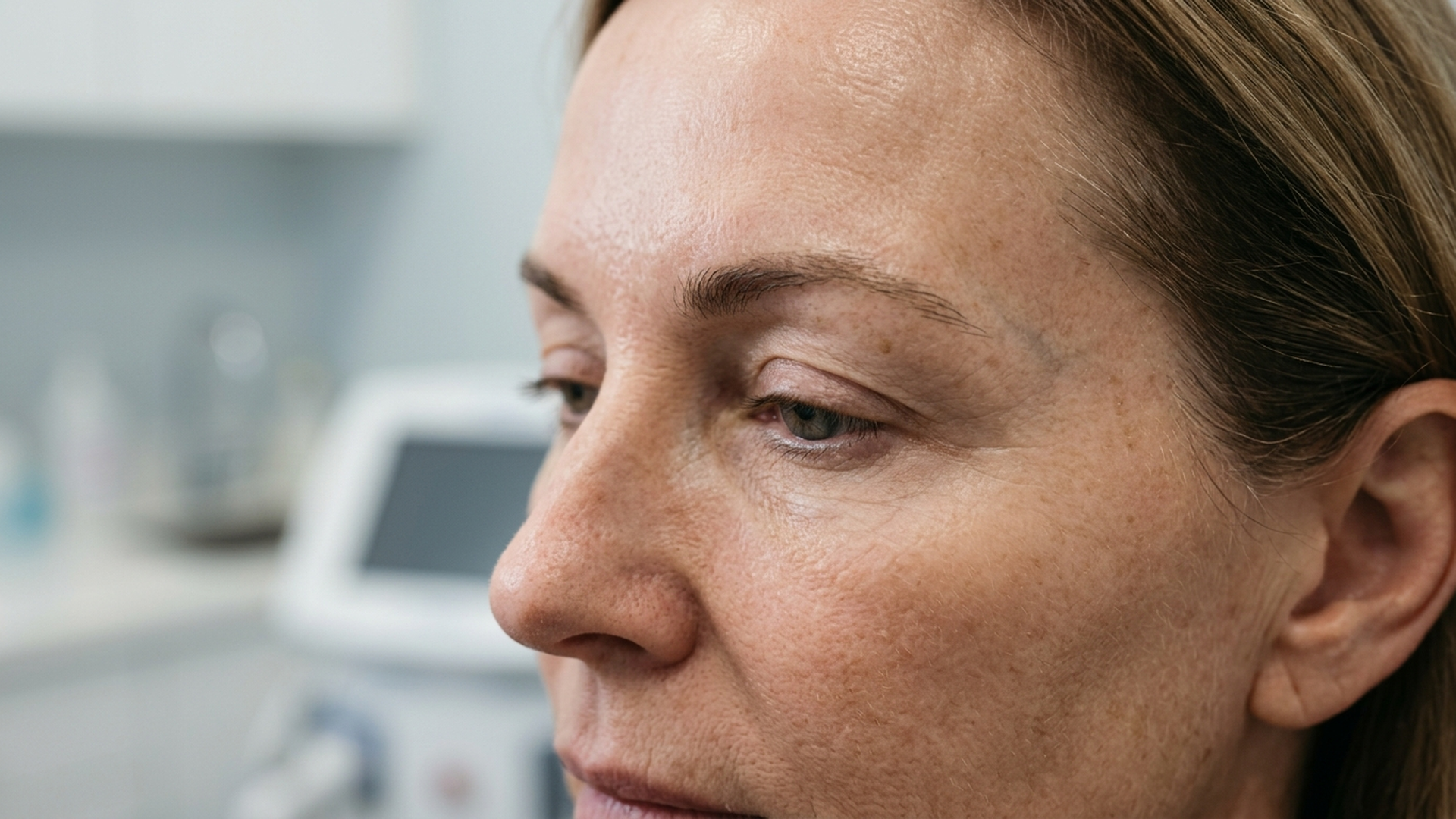
Financial investment represents a crucial determinant when evaluating fox eyes surgery vs thread lift options. While a thread lift appears economically attractive initially due to a lower upfront price tag, the necessity of repeating the procedure every 12 to 18 months results in significant cumulative expenditures over a five-year period. Surgical intervention, despite requiring a higher initial financial commitment, provides a cost-effective, long-term solution that amortizes favorably over years of sustained aesthetic stability.
Personal lifestyle, career demands, and psychological readiness for surgery must guide the final decision. Patients who travel frequently or cannot afford a two-week social downtime window often opt for temporary thread interventions as a bridge to ultimate surgical correction. Consulting with an expert specialist in Istanbul ensures a tailored treatment plan that aligns technical capabilities with individual anatomical requirements and long-term desires.
Frequently Asked Questions
What is fox eyes surgery?
Fox eyes surgery is a permanent cosmetic procedure designed to elevate the lateral tail of the eyebrow and outer corner of the eye, creating a distinctive, almond-shaped slanted gaze through precise temporal or lateral browpexy techniques.
How is a thread lift performed?
A thread lift is a minimally invasive non-surgical procedure where specialized bio-absorbable sutures equipped with tiny barbs are inserted subdermally via fine needles to mechanically lift and reposition sagging facial tissues instantly.
What is the difference between fox eyes surgery and thread lifts?
Fox eyes surgery offers permanent results by surgically excising skin and securing deep tissues to stable bone structures, whereas thread lifts provide temporary suspension lasting 12 to 18 months using dissolvable sutures that stimulate collagen production.
When is a surgical brow lift necessary?
A surgical brow lift becomes necessary when significant skin laxity, heavy brow descent, or deep periorbital wrinkles render temporary non-surgical treatments ineffective for achieving a sustained, symmetrical, and youthful lateral elevation.
How many days does recovery take for a thread lift?
Recovery after a thread lift is remarkably fast, typically requiring only 2 to 5 days for minor bruising, swelling, and temporary skin puckering to subside entirely before resuming normal daily routines.
Are thread lifts harmful to facial tissue?
Thread lifts are not inherently harmful when performed by trained medical professionals; however, improper placement techniques can lead to temporary dimpling, asymmetry, nerve irritation, or visible suture extrusion underneath thin skin.
How much does fox eyes surgery cost compared to thread lifts?
Fox eyes surgery involves a higher upfront investment but offers permanent value, whereas thread lifts have a lower initial cost that accumulates over time due to required maintenance sessions every year.
Selecting the ideal rejuvenation pathway requires balancing your lifestyle, downtime tolerance, and long-term aesthetic aspirations. Whether you choose the enduring structural precision of permanent surgical elevation or the convenient temporary enhancement of a thread lift, professional guidance ensures safety and elegance. To explore your personalized options, schedule a comprehensive consultation with an expert specialist in Istanbul today and take the first step toward a refined, confident appearance.
What is the best age to choose fox eyes surgery over thread lifts?
To determine whether surgical suspension or temporary thread rejuvenation best matches your unique anatomy, schedule an expert consultation at our Istanbul clinic today and receive a personalized surgical assessment.
Patients in their 20s and early 30s with minimal skin laxity often prefer thread lifts, while individuals aged 35 to 60+ experiencing structural descent benefit far more from the permanent support of fox eyes surgery.